What legal tender means
According to the Bank of England, legal tender is more about settling debts than about how you pay in shops. If you offer to pay a debt in full in legal tender and no contract names another form of payment, the other person cannot sue you for failing to pay.
- England and WalesRoyal Mint coins and Bank of England notes.
- Scotland and Northern IrelandOnly Royal Mint coins, not banknotes.
- Not legal tender anywhereDebit cards, cheques and contactless payments.
Scottish and Northern Ireland notes
The Bank of England says that English banknotes are not legal tender in Scotland, and that Scottish notes are not legal tender in England or in Scotland. A shop owner can choose what to accept. If you are paid in Scottish or Northern Irish notes, spend them soon, and expect that some shops in England may refuse them.
Keep a card as a fallback. A refused note is a small problem when your card works.
Before you arrive
Whether you need a visa or an ETA depends on your passport. The steps are in our UK entry guide.
Bank app, codes and data
- Alerts: turn on push notifications for card payments abroad.
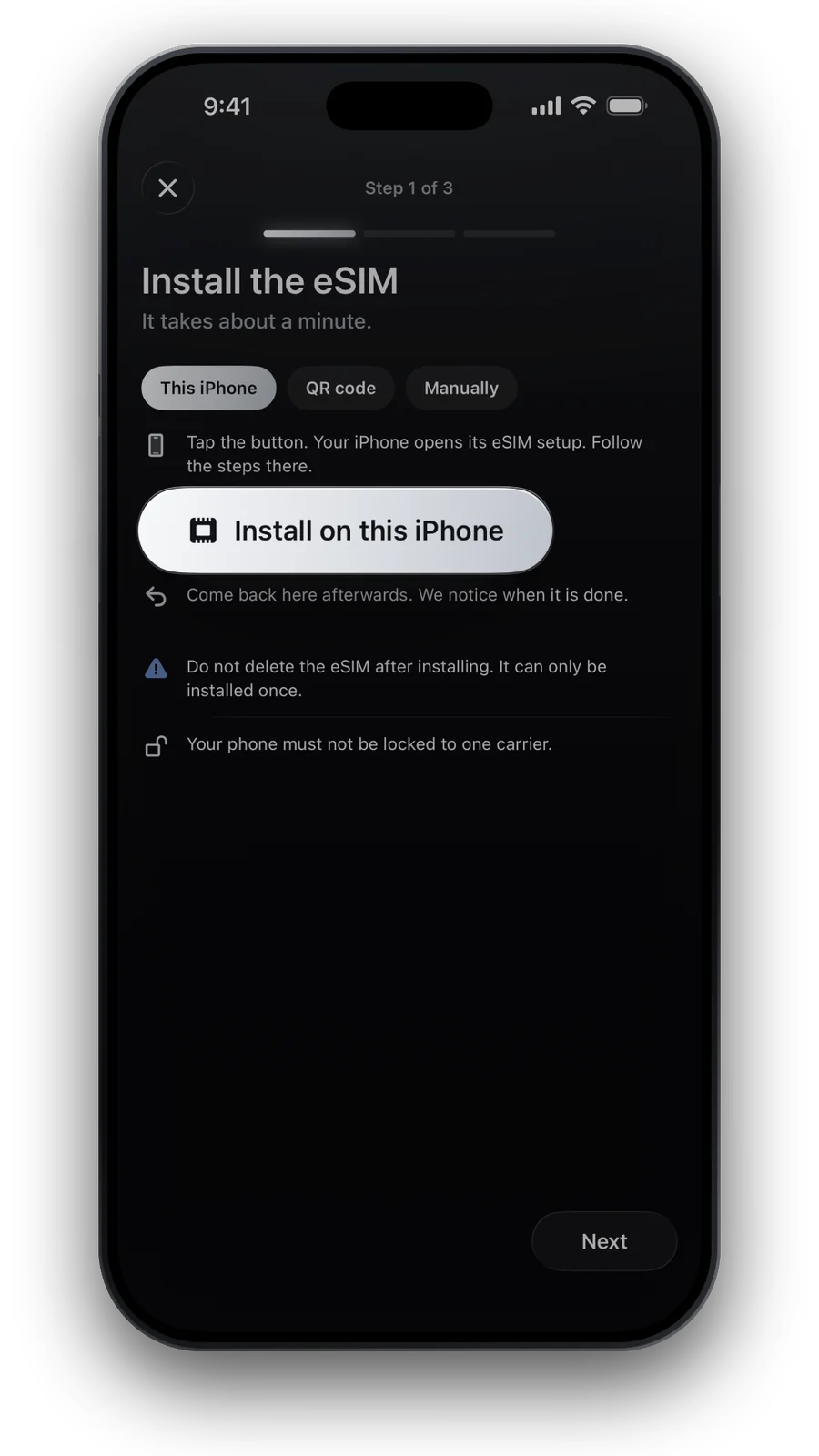
- Codes: in the UK, your home SIM can stay on for SMS codes while an eSIM covers mobile data, see data-only eSIMs and your number.
- Plans: networks and sizes are in our UK eSIM guide.

Questions and answers
Are Scottish banknotes legal tender in England?
No. The Bank of England says Scottish notes are not legal tender in England or in Scotland, and that a shop owner can choose what to accept.
Is contactless payment legal tender?
No. The Bank of England says debit cards, cheques and contactless payments are not legal tender anywhere.
What is legal tender in England and Wales?
Royal Mint coins and Bank of England notes.
Updated 24 Oct 2026 · checked against our live catalogue
How we check our data · Prices and plans come live from our catalogue; facts come from official sources, listed where we use them.
Sources: Bank of England: What is legal tender? (26 Feb 2025)